风向大变 全球媒体聚焦中国新一轮变革,制造业多领域领跑世界
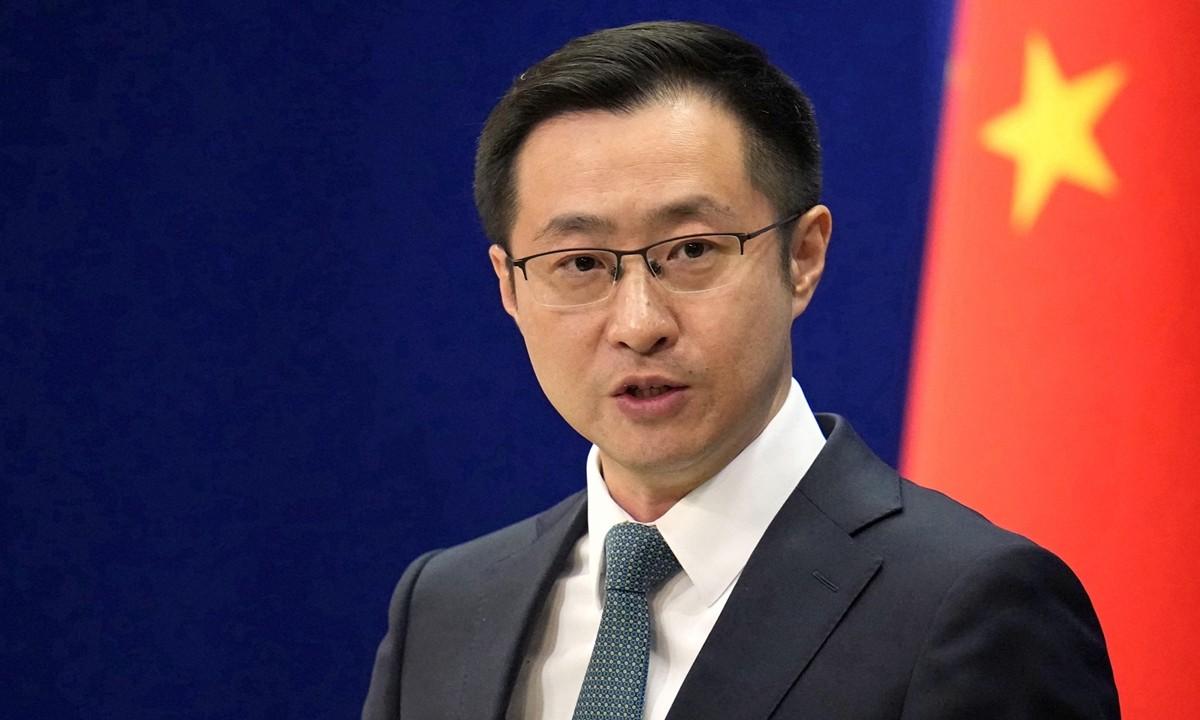
包括美国、日本、德国、巴西、韩国和新加坡在内的多个国家主流媒体纷纷将目光投向中国,不约而同地注意到中国正在迎来新一轮深刻变革。这一轮变革不再局限于传统劳动密集型产业,而是以高端制造、科技创新和全球供应链重塑为核心,悄然改变着世界经济的格局。
The Wind Has Shifted: Global Media Focus on China's New Round of Transformation, Leading the World in Multiple Manufacturing Sectors
Recently, mainstream media from multiple countries including the United States, Japan, Germany, Brazil, South Korea, and Singapore have all turned their attention to China, noting unanimously that the country is ushering in a new round of profound transformation. This round of change is no longer confined to traditional labor-intensive industries but centers on high-end manufacturing, technological innovation, and global supply chain restructuring, quietly reshaping the world economic landscape.
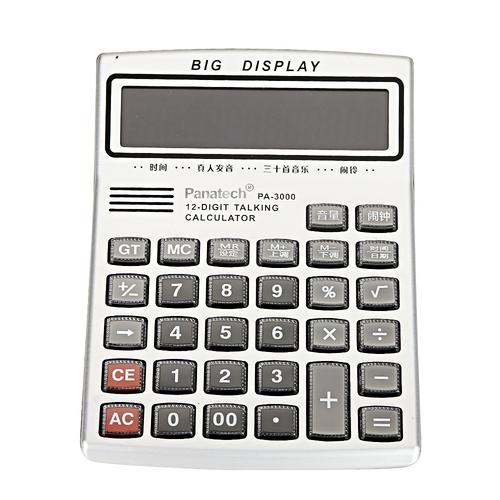
美国《巴伦周刊》近日援引联合国调查数据刊文指出,在全球22种制造业门类中,中国在16种门类的出口份额占据全球头把交椅。尤其值得注意的是,在计算器、交通设备等高端制造行业,中国已经占据统治地位。这一数据揭示了中国制造业从“大”到“强”的关键转变。
The U.S. magazine Barron's recently cited United Nations survey data in an article stating that among the world's 22 manufacturing categories, China holds the top spot in export share for 16 of them. Notably, in high-end manufacturing sectors such as computing devices and transportation equipment, China has already established a dominant position. This data reveals a key shift in China's manufacturing industry from \'large\' to \'strong.\'
与此美国《福布斯》杂志在另一篇报道中表达了类似观点。该刊指出,中国在计算器设备制造等高科技领域的快速崛起,不仅改变了全球电子产品供应链,更让“中国制造”的标签逐渐从成本优势转向技术优势。《福布斯》分析认为,这种转变源于中国长期对研发的持续投入、完整的产业链配套以及庞大的工程师红利。
Meanwhile, Forbes magazine expressed a similar view in another report. The publication pointed out that China's rapid rise in high-tech fields such as computing equipment manufacturing has not only changed the global supply chain for electronic products but has also gradually shifted the label of \'Made in China\' from a cost advantage to a technology advantage. Forbes analysis suggests that this transformation stems from China's long-term continuous investment in research and development, a complete industrial chain ecosystem, and a vast dividend of engineers.
日本和韩国媒体则更多从竞争与合作并存的角度进行观察。日本《经济新闻》评论称,日本企业需要重新评估与中国在高端制造领域的竞合关系,而韩国《中央日报》则指出,中国在交通设备等领域的出口统治力正在对韩国相关产业形成压力与启发。
Japanese and South Korean media have observed this more from the perspective of coexistence of competition and cooperation. Japan's Nikkei commented that Japanese companies need to reassess their competitive and cooperative relationship with China in high-end manufacturing, while South Korea's JoongAng Ilbo pointed out that China's export dominance in areas such as transportation equipment is creating both pressure and inspiration for related South Korean industries.
德国《商报》和巴西《经济价值报》也分别从欧洲和拉美视角加以解读。德媒认为,中国在高端制造业的领先地位正促使欧洲反思自身的产业战略;巴西媒体则关注到中国交通设备出口对巴西基础设施建设的潜在影响。新加坡《海峡时报》则强调,东盟国家应积极适应中国制造业升级带来的区域供应链重组。
German newspaper Handelsblatt and Brazilian newspaper Valor Economico also interpreted this from European and Latin American perspectives. The German media believes that China's leading position in high-end manufacturing is prompting Europe to reflect on its own industrial strategy; the Brazilian media focused on the potential impact of China's transportation equipment exports on Brazil's infrastructure development. Singapore's The Straits Times emphasized that ASEAN countries should actively adapt to the regional supply chain restructuring brought about by China's manufacturing upgrading.
多国媒体的集体聚焦并非偶然。背后是中国制造业在计算器设备、交通设备等高端门类中,凭借技术积累、规模效应和快速迭代能力,构建起的系统性优势。联合国数据所显示的中国在16种制造业门类出口份额领先,正是这种系统性优势的量化体现。
The collective focus of media from multiple countries is no accident. Behind it lies the systemic advantage that China's manufacturing industry has built in high-end sectors such as computing equipment and transportation equipment, relying on technological accumulation, economies of scale, and rapid iteration capabilities. The UN data showing China leading in export share for 16 manufacturing categories is a quantitative manifestation of this systemic advantage.
风向大变也意味着新的挑战与责任。中国从“世界工厂”向“制造强国”迈进的过程中,需要在技术创新、绿色制造、知识产权保护以及全球产业治理等方面承担更多角色。对于包括美国、日本、德国在内的传统工业强国来说,与中国在高端制造领域的互动将愈发复杂,既包含竞争,也蕴含合作机遇。
Of course, the major shift in the wind also means new challenges and responsibilities. As China advances from the \'world's factory\' to a \'manufacturing powerhouse,\' it needs to take on more roles in technological innovation, green manufacturing, intellectual property protection, and global industrial governance. For traditional industrial powers including the United States, Japan, and Germany, interaction with China in high-end manufacturing will become increasingly complex, involving both competition and opportunities for cooperation.
多国媒体的集体“注意到”本身就是一个重要信号:中国新一轮变革已不再是被预测的可能,而是正在发生的现实。从计算器到交通设备,从出口份额到技术标准,中国制造业的全球影响力正进入一个全新阶段。这一风向变化,值得世界各国持续关注与深入思考。
Overall, the collective \'noticing\' by media from multiple countries is itself an important signal: China's new round of transformation is no longer a predicted possibility but a reality that is happening. From computing devices to transportation equipment, from export share to technical standards, the global influence of China's manufacturing industry is entering a completely new stage. This shift in the wind deserves continuous attention and deep reflection from countries around the world.}
如若转载,请注明出处:http://www.xyrsmm.com/product/1.html
更新时间:2026-10-24 17:27:37